Horse Racing Betting Markets for Beginners UK — A First Bet Walkthrough
 Available in US
A first bet that does not have to be the Grand National
Almost everyone I have introduced to horse racing has placed their first bet on the Grand National. The race is on free-to-air TV, the office sweepstake is on every spring, and the cultural moment around the National is what brings new punters to the sport in the first place. The problem is that the National is genuinely one of the worst races in the calendar to start with. Forty runners, four-and-a-quarter miles, thirty fences, an extraordinarily high failure rate even among horses with strong form, and a result that depends as much on which fences a horse jumps cleanly as on which horse is the best. The casual punter walks away from their National bet either having won (and become convinced they have a knack for this) or having lost (and become convinced racing is impossibly random). Neither conclusion is correct, but both come from picking the wrong race to learn the sport on.
This guide is built around a different approach — a first bet on a race that lets you learn the mechanics without the variance of a National-scale event. UKGC Gambling Survey for Great Britain data found 10.3 per cent of UK adults bet on sports and racing online in 2024, with 24.4 million active online gambling accounts across the broader market. A substantial share of those accounts placed their first bet on a race rather than another sport. The first-bet experience matters because it shapes whether a casual punter becomes a regular punter or drifts away. The walkthrough that follows is the one I would give a friend asking how to start, in the order I would give it.
You may also find Horse Racing Betting Strategies UK — Bankroll, Value and Edge interesting.
Choosing a race — the Class 4 handicap sweet spot
The first decision is which race to bet on. The right answer for a beginner is not the most famous race on the card. The right answer is a race with enough structure that the form is meaningful, enough field size that the variance is reasonable, and enough familiarity that you can follow what is happening.
The Class 4 handicap. The sweet spot for beginners is a Class 4 handicap with 8 to 12 runners on a fair UK course. The race type has several features that suit a learner. The handicapper has set weights to give every horse a credible chance, so the form lines are competitive rather than dominated by an obvious standout. The field is small enough that you can read every runner’s form in 10-15 minutes. The runners are typically experienced horses with substantial form to read, so the form analysis is grounded in evidence rather than speculation. And the prices are typically in the 4/1 to 12/1 range across most of the field, which gives you a sensible price spread without extreme outsiders or odds-on favourites.
What to avoid for a first bet. The Grand National (40 runners, four miles, jumping variance). The Cheltenham Gold Cup (highest grade where the prices are tight). Maiden races (where the form is thin). Big-field handicaps with 16+ runners (more complex form analysis than a beginner can do reliably). Two-year-old novice races (variance high because the horses are still developing).
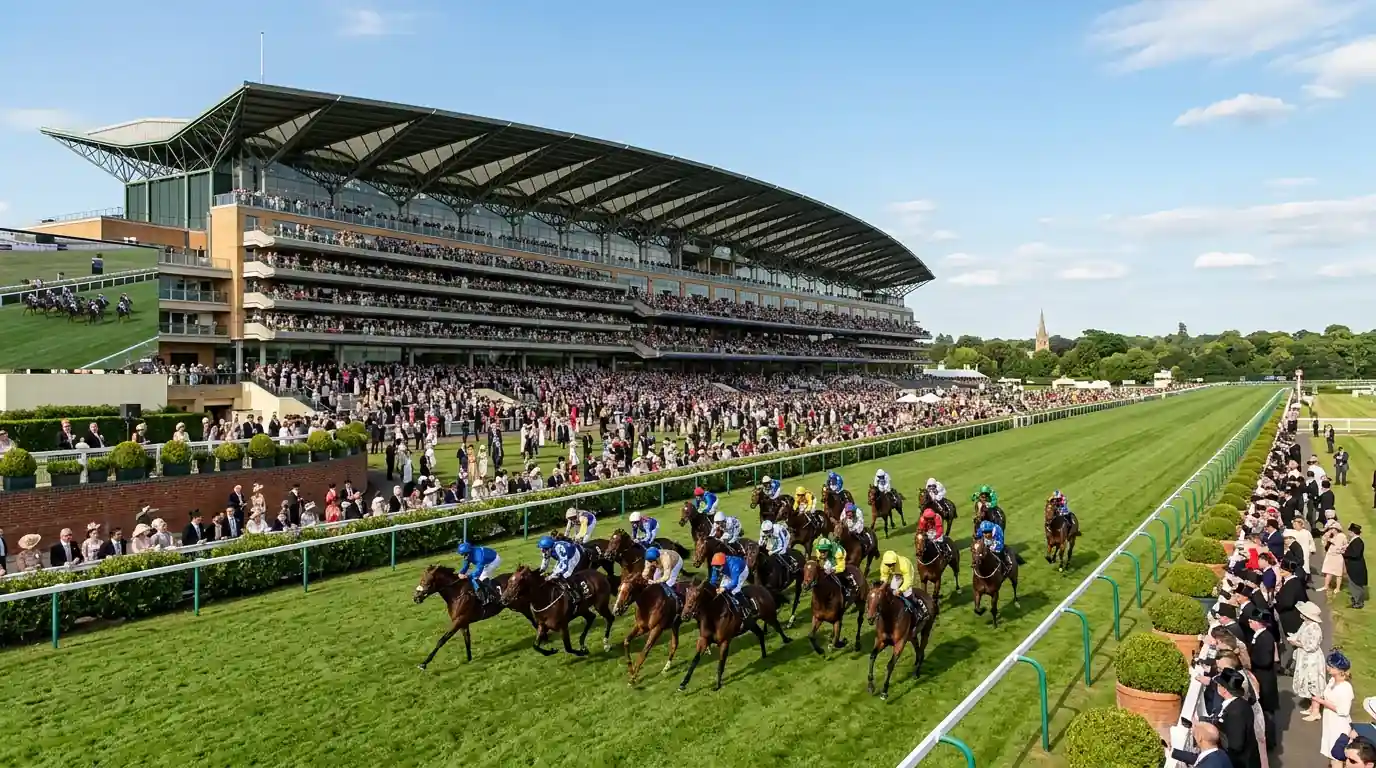
The Saturday card option. A typical UK Saturday card includes one or two Group races, three or four handicaps, and a couple of novices or maidens. The Class 4 handicaps in the middle of the Saturday card are the natural first-bet target. The race coverage on ITV or Racing TV provides pundit commentary you can follow, the field is at the right size, and the timing means you can watch the race live.
Picking a runner — form basics without the jargon
Once you have chosen the race, the next step is picking a runner. The instinct to pick the horse you have heard of, or the horse with a memorable name, or the horse the ITV pundit just mentioned is natural and almost always wrong as a selection method.
The form basics. Read each horse’s recent form figures, most recent on the right. A horse showing “1-2-3” across its last three runs has placed each time and is in form. A horse showing “0-PU-F” has been disappointing recently. The form figures are the simplest starting point and they capture a meaningful share of the information you need.
The favourite question. The market favourite — the shortest-priced horse — has typically been backed because the form is recent and visible. Favourites win about 30-35 per cent of UK races on average, depending on race type. Backing the favourite is not a bad first-bet strategy, but it is the highest-information, lowest-edge bet in the field. The price is tight precisely because everyone knows the horse is the most likely winner.
The pundit caveat. ITV pundits and racing-press tipsters offer opinions that are informed but not necessarily right. The pundits know more than the casual viewer, but they have their own biases, their own narrative needs, and their own track records that include plenty of losing tips. Listen to the pundits for context about the race — going calls, jockey bookings, trainer form — but treat their selections as one input rather than as authoritative recommendations. The pundits get paid to have opinions; the opinions are not always correct.
The middle-of-the-betting strategy. A reasonable first-bet approach is to look at horses priced in the 4/1 to 8/1 range — the second through fifth in the betting. These horses typically have credible form but are not the dominant short-priced favourites. The prices are long enough to make winning meaningful and short enough that you have not picked an obvious longshot. The reasoning is that you are looking for a horse with a clear case for winning at a price that rewards being right.
The horse’s recent return. A horse returning from a long break (no runs for 60+ days) is often a longer price than its underlying form suggests, because the market does not yet know how the break has affected it. Sometimes this represents value; often it represents real reason for caution. For a first bet, prefer horses with recent runs (within the past 30 days) where the form is current.
Placing the bet — the slip and the stake size
Once you have picked a runner, the next step is placing the bet itself. The mechanics are simple at any UK-licensed online operator but the choices matter.
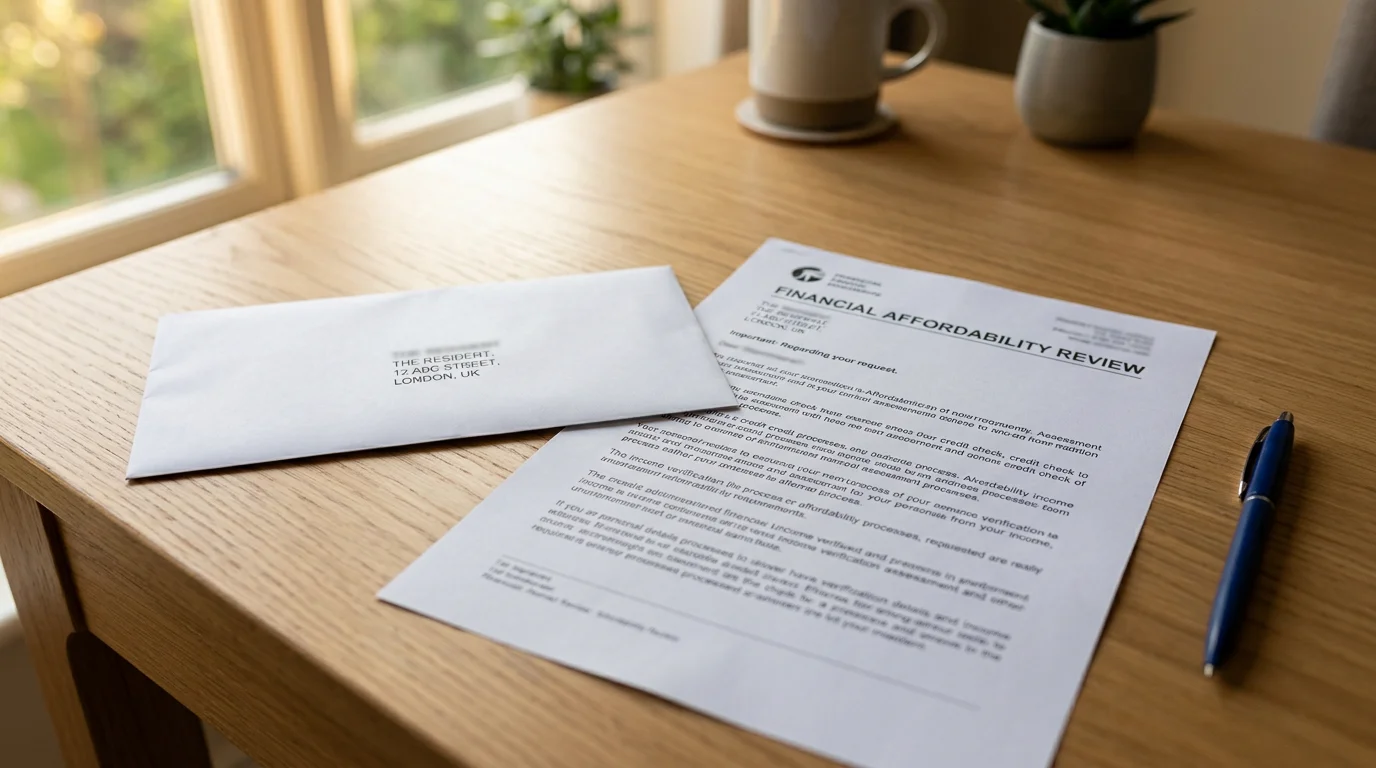
Online versus in-shop. Online betting is the dominant channel now, with more than 80 per cent of Cheltenham Festival bets in 2024 placed through mobile apps. In-shop betting at a high-street bookmaker still operates and has its own character — the in-person experience, the slip-based mechanics, the cash-based settlement — but for a first bet, online is the easier route. Choose a UKGC-licensed operator (check the public register at the official Commission domain to confirm licensing) and sign up with the standard KYC information.
The slip itself. The betslip captures the race, the horse, the bet type (win, place, each-way), and the stake. Confirm each element before clicking the final confirmation. The price displayed on the slip is the price the bet will be settled at, subject to BOG terms — if the SP comes in longer than your price, BOG-eligible bets pay at the SP. If the price has moved since you added the horse to the slip, the slip will usually show the new price and ask you to reconfirm.
Stake size. For a first bet, the principle is that the stake should be an amount you would be comfortable losing entirely. The rule of thumb among regular punters is 1-2 per cent of the total budget allocated to a betting session — so if you have set aside £100 for the day’s betting, individual bets should be £1-£2. For a first bet, even smaller stakes (£1 or £2) let you learn the mechanics without putting meaningful money at risk. Loss limit and deposit limit tools at every UKGC-licensed operator let you cap exposure at the account level if you want a structural protection alongside the per-bet discipline.
BOG mechanics on a first bet. If you took the early price and the bet is BOG-eligible, the settlement after the race will pay at whichever is better between your early price and the official SP. BOG is automatic — you do not need to claim it.
Learn more about best betting horse racing on our main page.
Watching the race — the commentary and the suspension
The race itself is the most engaging part of the first-bet experience, and the language used in the commentary will be unfamiliar.
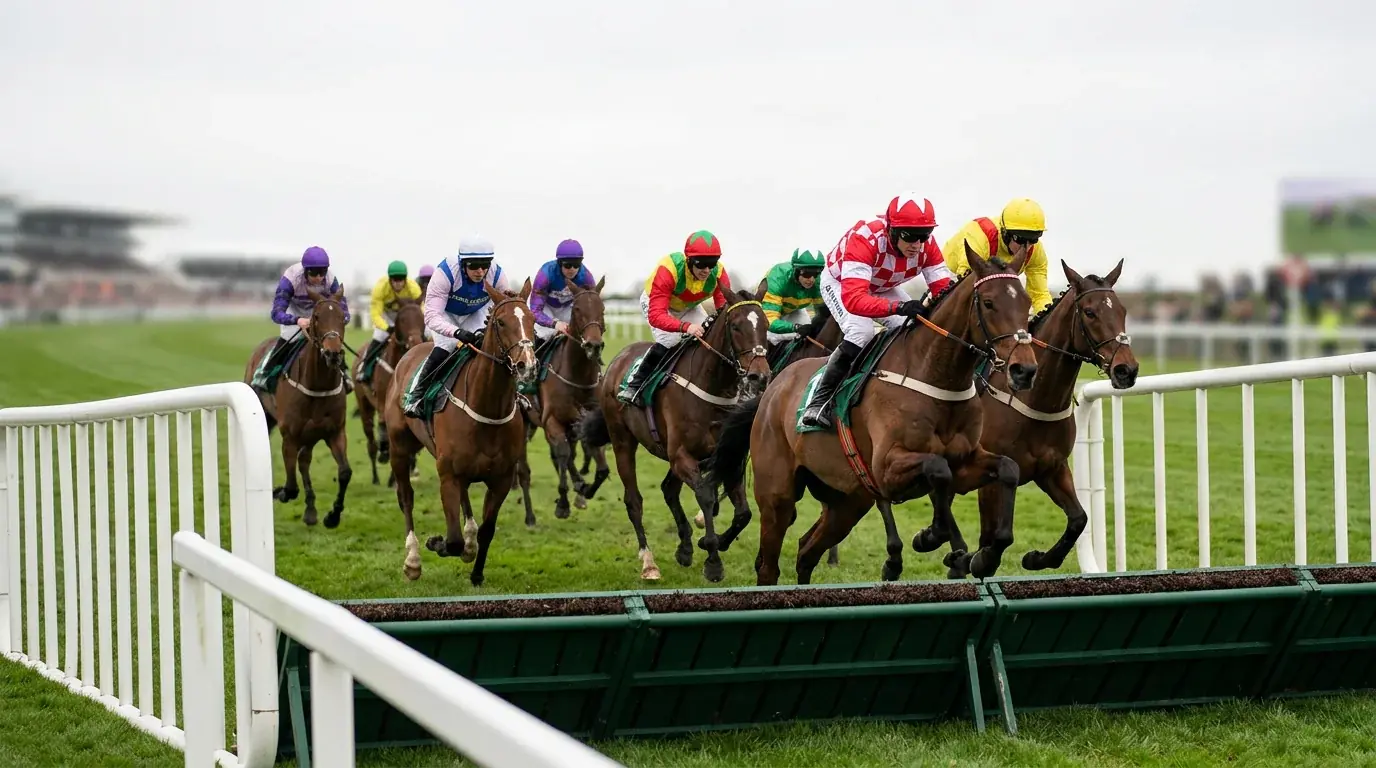
The pre-race phrases. “Going down to start” means the horses are being led to the starting stalls or to the starting tape (for jumps races). “Under starter’s orders” means the stalls are about to open and the field is in position. “They’re off” means the race has started. The starter at UK racing is a defined official whose decision on the start is final.
The in-running commentary. The commentator describes the field position, the pace, and the leaders as the race develops. Phrases like “going well”, “travelling strongly”, “being pushed along”, and “under pressure” describe how the horses are coping with the pace at each stage. Phrases like “into contention”, “kicked clear”, and “stayed on strongly” describe late-race movements.
The in-running market. If you have an online account with in-running enabled, you can see the prices updating during the race. The prices reflect the current state of the race and update several times per second on liquid markets. The market suspends briefly when significant moves happen, and during suspension you cannot place or modify bets.
The finish and the result. The line is crossed and the unofficial result is shown immediately. The official result is announced after the photo finish (if needed) and after the weighing-in process where the jockey’s weight is checked. “Weighed in” is the announcement that the result is now final and bets can be settled.
What to do after the first bet
The clean next-step framework. Whether you won or lost, treat the first bet as a learning exercise rather than a verdict on whether racing is for you. Read the form for the race you just watched and compare what happened to what the form lines suggested. Identify any factors you noticed during the race that the form had not flagged — the going call, a jockey booking, a pace scenario. Set a budget for any future betting and use the operator-side limit tools to enforce it. Try a few more bets at small stakes before deciding whether the sport is one you want to engage with more seriously. The first bet is not the last bet, and the first race teaches more about the sport than about your own punting ability. For the next step in understanding the broader bet-type landscape, the UK horse racing bet types guide walks through the full range of formats available beyond the basic win-and-place options. The director of racing at the BHA captured something true in his recent quarterly observation that there is work to be done on the racing product to grow its appeal as a betting medium. The work starts with the first-bet experience being a good one.
What’s a sensible first-bet stake size?
The rule of thumb among regular punters is 1-2 per cent of the total budget allocated to a betting session. For a beginner placing a first bet, even smaller stakes — £1 or £2 — let you learn the mechanics without putting meaningful money at risk. The stake should be an amount you would be entirely comfortable losing, because the variance on a single bet is high and the first-bet result is not predictive of future performance. Treat the first bet as tuition rather than as an investment.
Should beginners stick to win bets or try each-way?
Win bets are simpler and the result is binary — your horse wins or it does not. Each-way bets split the stake across win and place portions, so the bet pays even when your horse finishes in the qualifying place positions. Each-way works best in fields of 8+ runners with a horse priced at 6/1 or longer where the place portion at 1/5 of the win odds still represents value. For a first bet, the simpler win-only structure is usually the better introduction to the mechanics, with each-way as a second-bet experiment once the win-only experience is familiar.
Created by the ”Best Betting Horse Racing” editorial team.