Goodwood and York Festival Betting UK — Summer Highlights
 Available in US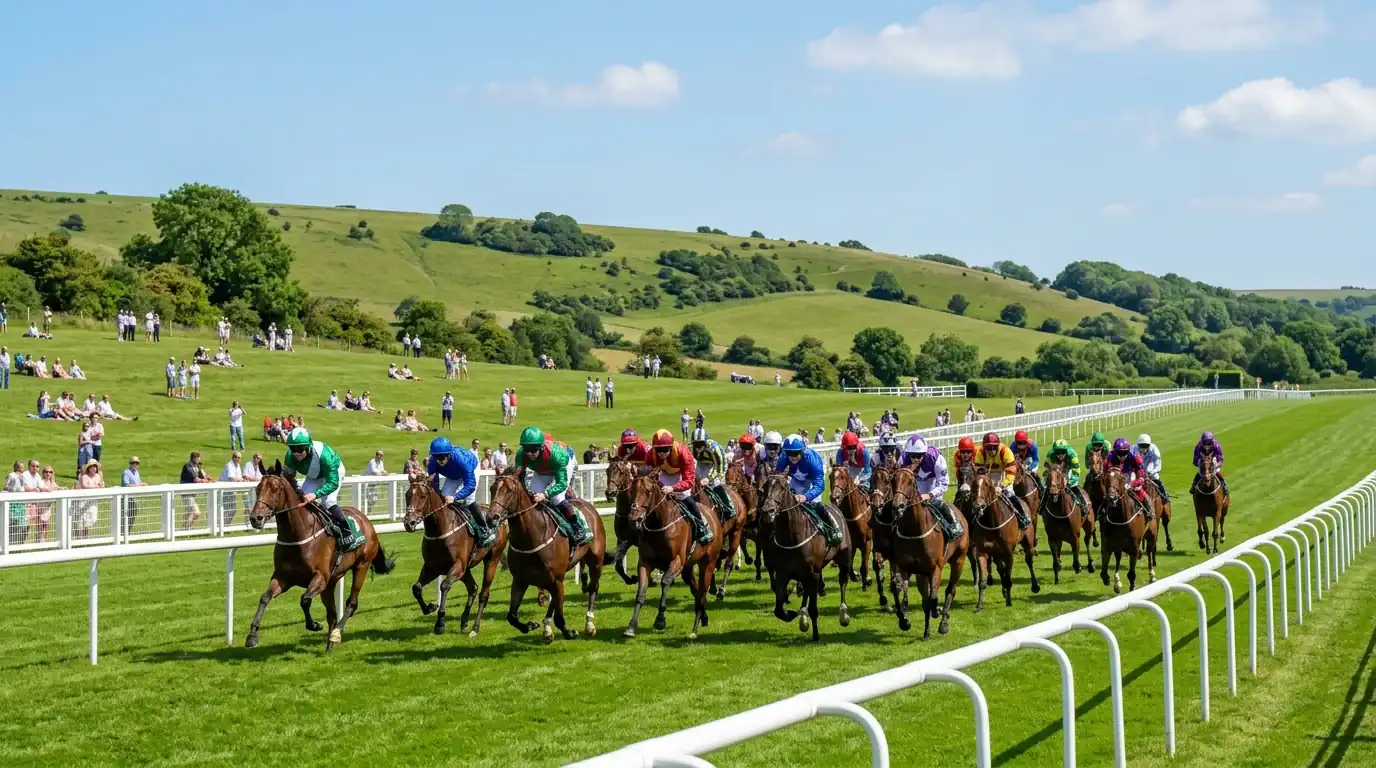
Table of Contents
The two festivals that bookend the Flat summer
The most useful weekend I had last summer was spent at neither festival. I was watching Goodwood Wednesday and York Wednesday on alternate screens in a Brighton pub, working out why the same trainer’s runners were going off at completely different prices at the two tracks. Glorious Goodwood and the Ebor Festival at York are the two big Flat festivals between Royal Ascot in June and the St Leger meeting in September, and they sit roughly four weeks apart with a similar prize-fund structure, a similar set of stables sending runners, and very different course tests for those runners. Punters who treat them as interchangeable summer meetings miss the structural differences that make the two festivals genuinely separate markets. For the broader picture of how Goodwood and York sit alongside the headline UK Flat festivals — particularly the Royal meeting and the Classics — the Royal Ascot betting UK guide covers the June anchor that the summer festivals build outwards from.
Glorious Goodwood runs across five days in late July, with the Goodwood Cup, Sussex Stakes and Stewards’ Cup as the headline races. The Ebor Festival at York runs four days in mid-August and is anchored by the Juddmonte International, the Yorkshire Oaks, and the Ebor Handicap itself — one of the most valuable handicaps in the European Flat season. The 5.031 million annual attendance figure for UK racecourses in 2025 includes substantial chunks at both festivals, with York’s Ebor in particular drawing record crowds that have outpaced pre-2019 levels.
Read our detailed review of Horse Racing Attendance and Audience UK — What 5 Million Means.
Glorious Goodwood — five days at a peculiar track
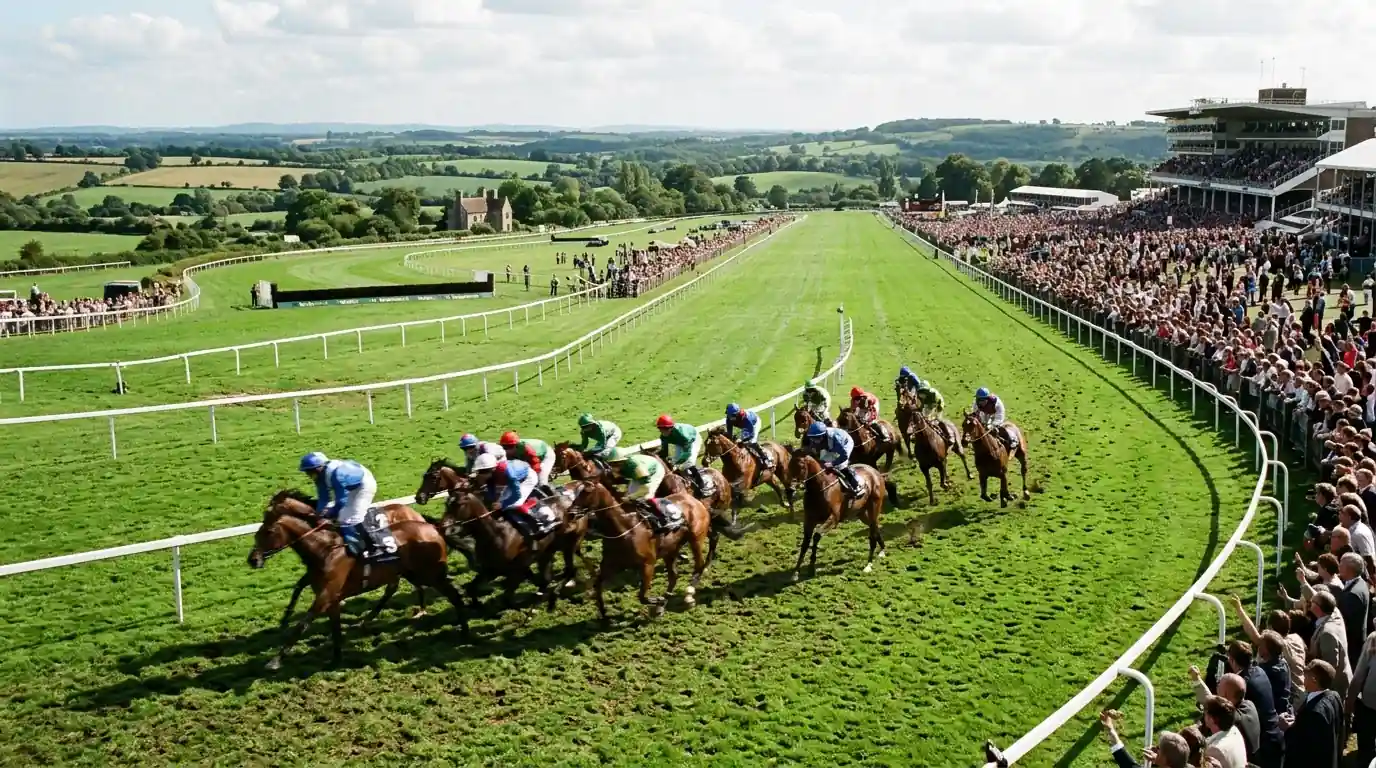
The Goodwood course is the central character of the festival. It is right-handed, runs down the side of the Sussex Downs at a steady descent for most of the way around, and finishes with a sharp uphill rise into the last furlong. The course is fair in that all horses face the same test, but it is unusual in that the test rewards different qualities from a standard galloping track.
Course test. The descent for most of the race builds momentum, but the uphill finish punishes horses that have used the descent inefficiently. Stayers who can rate themselves through the early miles and have plenty in reserve for the rise tend to handle the test best. Front-runners who use early speed to take a forward position can hold on if they have stamina, but the front-runner profile that wins at Brighton or Lingfield can fade up the Goodwood rise.
The five-day schedule. Tuesday opens with the Lennox Stakes (Group 2, seven furlongs) and the Goodwood Cup (Group 1, two miles, the most prestigious staying race after Royal Ascot’s Gold Cup). The two-mile race has produced multiple major champion stayers in the past decade and is the cleanest read on summer staying form.
Wednesday brings the Sussex Stakes (Group 1, one mile), the headline race of the meeting in many years. The Sussex routinely attracts the top milers in Europe and the form lines feed into the autumn Group 1 mile races on both sides of the Channel.
Thursday is Ladies’ Day, with the Nassau Stakes (Group 1, fillies, ten furlongs) the centrepiece. Friday features the King George Qatar Stakes (Group 2, sprint) and the Glorious Stakes (Group 3). Saturday closes with the Stewards’ Cup — the headline handicap of the meeting, run over six furlongs with a 30-runner field on the straight course.
The Stewards’ Cup deserves its own paragraph. It is one of the trickiest sprint handicaps in the calendar. The field of 30 fills the entire width of the Goodwood sprint course. Horses are typically split into stands’ side and far-side groups by the early furlongs, and the better group can sometimes complete the race effectively as a separate race. Form-readers spend significant time before the Stewards’ Cup trying to identify which side the pace will gravitate toward, because horses on the unfavoured side often have no realistic chance regardless of their underlying form.
Ebor Festival at York — four days at the most level track
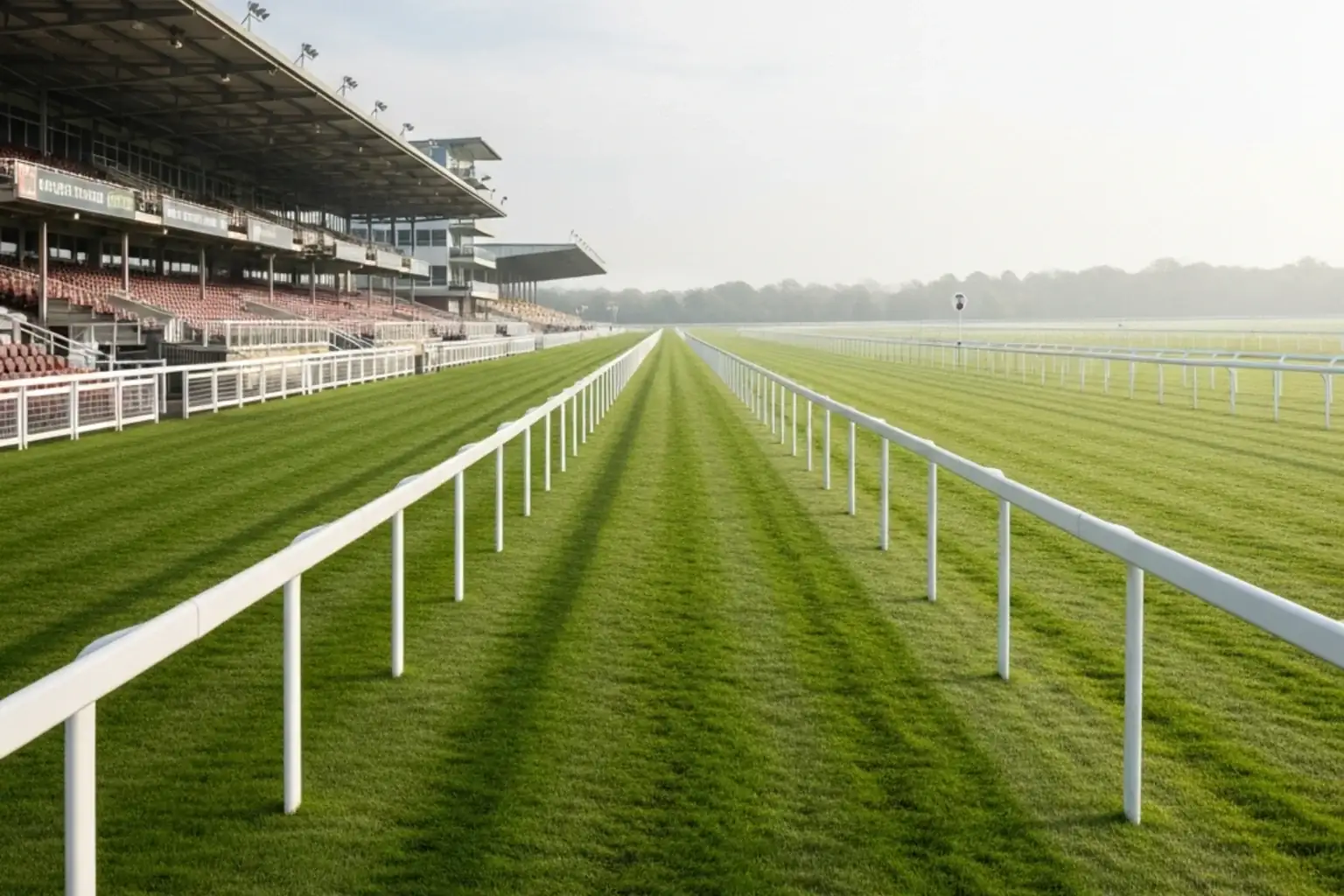
The Knavesmire at York is the cleanest mile-and-a-half galloping course in the UK. The track is flat, fair, and broad. The pace is honest. The form lines are reliable. From a punter’s perspective, the Ebor Festival is the antithesis of Goodwood — same level of competition, very different course test, very different form-reading discipline.
The four-day schedule. Wednesday opens with the Juddmonte International (Group 1, mile and a quarter) — frequently the highest-rated race of the European Flat season for its distance. The Juddmonte attracts genuine world-class fields and the prices on the favourites are typically tight because the form is well-documented.
Thursday brings the Yorkshire Oaks (Group 1, fillies, mile and a half) and the Lonsdale Cup (Group 2, two miles). Friday includes the Nunthorpe Stakes (Group 1, sprint, five furlongs) — a clean speed test where the form is reliable and the favourites win at high strike rates relative to other Group sprint races. Saturday closes with the Ebor Handicap (mile and three-quarters, prize fund typically £500,000+, 20+ runners) — the most valuable handicap on the British Flat calendar.
Why the Ebor matters disproportionately. The race attracts horses from the dual-purpose stables — flat horses with stamina suited to a long handicap — and the prize money draws genuine quality. The 20+ runner field with a prize fund that dwarfs most Class 1 races makes the place-portion maths interesting for each-way punters and the win-portion competitive because no obvious favourite typically dominates.
The Knavesmire’s track shape also matters for race strategy. The course favours horses that can travel easily in mid-division and produce a turn of foot in the final furlong — the long galloping run-in rewards stamina without punishing speed-types that can sustain a long sprint home. Front-runners can win at York if they get an uncontested lead, but the course is fair enough that hold-up rides routinely succeed.
Find the best options for best betting horse racing.
Handicap edges in summer — where the extra-places live
The Stewards’ Cup at Goodwood and the Ebor at York are the two biggest summer handicaps in betting-turnover terms outside of the Royal Ascot week. Both attract extra-places promotions from operators, and both reward the careful each-way bettor.
The Stewards’ Cup maths. 30 runners over six furlongs, prize fund around £200,000. Standard place terms on a 16+ runner handicap are four places at 1/4 the odds. The major operators routinely run six-place or seven-place promotions on the Stewards’ Cup. The shift from four places to seven places dramatically improves the place-portion expected value on outsiders — a horse priced at 25/1 effectively becomes a 6.25/1 place bet at 1/4 the odds, paying out if the horse finishes seventh or better in a 30-runner field. The implied place-portion probability needed for breakeven on seven-place terms is roughly 14 per cent. A 25/1 horse with even a modest claim of running into the first seven places carries place-side value at those terms.
The Ebor maths. 20+ runners, mile and three-quarters. The longer trip and bigger field combination produces a different each-way profile — the stamina element introduces variance that the place portion captures particularly well. Operators typically run five or six-place promotions on the Ebor specifically. The prize fund (£500,000+) means the win-portion is meaningfully large in absolute terms even on shorter-priced selections, and the each-way on outsiders has the same structural advantage as the Stewards’ Cup though with longer odds-on average.
The discipline. Read the slip on every each-way bet in the major summer handicaps. The extra-places terms are not standardised and vary substantially between operators. The competition is genuine — total UK racing turnover fell 9 per cent in Q1 2025, and the operators chase summer handicap volume aggressively because the festivals are when casual punters tune in and the volume opportunity is highest.
Weather and going — the summer variable
Summer in the UK is typically firm-to-good ground at both Goodwood and York, but the variability matters more than the average. A wet July can produce soft ground at Goodwood that turns the entire festival into a stamina test rather than a speed test. A dry August can produce firm ground at York that suits speed-types and disadvantages stayers.
The going at Goodwood. The course is well-drained and tends to ride good to firm in dry conditions. Watering is used when needed but the natural drainage means going changes faster on the upper part of the track than the lower part. Going changes from morning to race time are routine in dry summer weeks, and the morning going is not always what is raced on by Saturday.
The going at York. The Knavesmire is lower-lying and holds moisture for longer. A wet August produces genuinely soft ground at York more often than at Goodwood. The course managers are more aggressive with watering in dry periods because the prize money and field quality justify the work, but York rides softer than its description more often than the average UK turf track.
Horse-type implications. Speed-types — short-trip horses with efficient stride patterns — handle firm and good to firm ground best at both courses. They struggle on soft or heavy. Stamina-types with a higher knee action handle softer going better but lose ground on firm summer surfaces. The 1,423 high-rated Flat horses in UK training in 2025 break roughly evenly between these profiles, and the going call on the morning of the race is one of the most important pieces of late information in the summer festival calendar.
Watering days are publicised in advance — courses announce watering plans the day before, and the announcements affect morning prices on horses with strong going preferences. The middle of the betting market at Goodwood and York is particularly sensitive to going changes because the marginal horses can shift several points either way on a confirmed change.
A summer festival map for the punting calendar
The clean way to navigate Goodwood and York is to treat them as complementary rather than equivalent. Goodwood rewards punters who read the course test correctly — the descent into uphill finish punishes textbook horses that are not balanced for the track. York rewards punters who read the form lines cleanly — the Knavesmire is a fair galloping test where the strongest horse usually wins. The Stewards’ Cup and Ebor Handicap are the value engines of the two festivals for each-way punters who watch the extra-places promotions. Group race form lines from Goodwood feed into the autumn Group 1 calendar at Newmarket and Ascot. Form lines from the Juddmonte and Yorkshire Oaks feed into the autumn championships at Longchamp. Watch both festivals if you bet Flat racing seriously in summer — they shape the rest of the autumn programme, and the form-reading work pays dividends through to the November Handicap that closes the turf season at Doncaster.
Why is the Stewards’ Cup considered one of the trickiest sprint handicaps?
The 30-runner field splits across the width of the Goodwood sprint course, with horses typically clustering on the stands’ side and the far side. The favoured side can change race-to-race and even within a meeting depending on watering and weather, and the unfavoured side has effectively no chance of winning regardless of underlying horse form. Form-readers spend hours before the race trying to identify the likely favoured side, and getting it wrong costs the bet regardless of how good the form analysis on the individual horse was.
How does the Knavesmire at York reward front-runners?
The Knavesmire is a fair galloping course where the long run-in rewards stamina and consistency rather than tactical speed. Front-runners can win at York if they secure an uncontested early lead and are talented enough to maintain the pace through the long finishing straight. The course does not punish hold-up rides — the run-in is long enough that closers can produce their finishing kick from off the pace — but the front-runner profile that wins at sharper tracks like Sandown often fades in the final furlong at York if not paired with genuine stamina.
Published by the Best Betting Horse Racing team.